
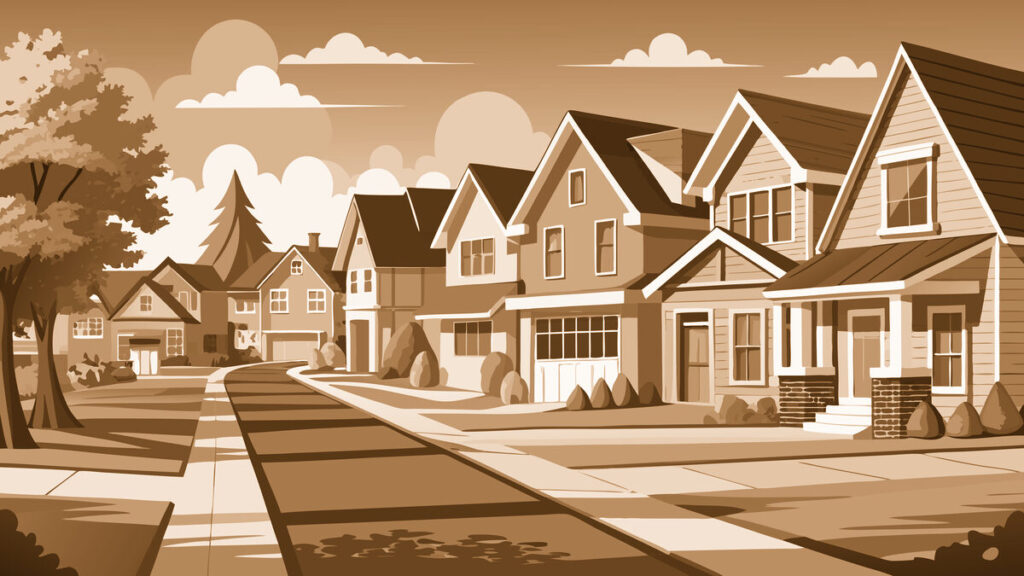
Ingersoll Park, nestled on the dynamic west side of Des Moines, is a cherished neighborhood with a rich history stretching back over a century. This community, radiating out from the iconic Ingersoll Avenue, has evolved from a streetcar suburb into a welcoming enclave known for its lively spirit, historic homes, and leafy streets. For residents and visitors alike, Ingersoll Park offers a glimpse into Des Moines’ storied past and a blueprint for thoughtful urban revitalization.
The Early Beginnings: Origins of Ingersoll Park
The roots of Ingersoll Park trace back to the early 1900s, a period of remarkable growth and optimism in Des Moines. With the advent of the electric streetcar, neighborhoods along main thoroughfares began to bloom. Ingersoll Avenue, named for Charles D. Ingersoll—a prominent 19th-century Iowa insurance businessman and community leader—became a spine for westward residential expansion. Drawn by the convenient streetcar access, middle-class families began settling on the tree-lined avenues just north and south of Ingersoll.
It was in the 1910s and 1920s that the neighborhood truly took shape. Developers laid out streets such as 38th, 39th, and Polk Boulevard, plotting generous lots for single-family homes. The layout reflected new ideas: houses built close enough for community but set back enough for peace and privacy, lined by elms and maples that would soon form a verdant canopy.
How Ingersoll Park Got Its Name
The name “Ingersoll Park” is a nod not only to Ingersoll Avenue but to a recreational park that once stood as a neighborhood’s social heart. In the early 20th century, amusement parks were popular leisure destinations, and “Ingersoll Park”—near what is now the intersection of Polk Boulevard and Ingersoll Avenue—was renowned for its wooden roller coaster, dance hall, and picnic grounds.
Families from across Des Moines would ride the streetcar west to enjoy a summer afternoon, forging lasting memories under the shadow of the old park’s towering oak trees. When the park closed and was redeveloped for housing in the 1920s, the name and spirit lived on, weaving itself into the identity of the surrounding neighborhood.
Milestones in Community Heritage
Through the decades, Ingersoll Park has marked many milestones that have shaped its unique character:
- 1920s-1930s: Craftsman bungalows, Tudor revivals, and American Foursquare homes rose along 38th Street, 39th Street, and Polk Boulevard. These houses—many still standing—remain among the city’s architectural gems.
- 1940s-1950s: As Des Moines grew after World War II, families flocked to Ingersoll Park for its proximity to downtown and its well-established schools, including Hanawalt Elementary, which opened in 1926 and continues to serve the neighborhood today.
- 1970s: Facing urban decline, residents rallied to preserve the area’s historic character, leading to the establishment of neighborhood associations dedicated to beautification, advocacy, and community events.
- 2000s-Present: The neighborhood has undergone a renaissance, with the Ingersoll Avenue corridor revitalized by independent restaurants, local businesses, and public art projects.
Landmarks and Points of Pride
Ingersoll Park boasts a number of enduring landmarks and beloved spaces:
- Greenwood Park & Art Center: Just a short walk south of Ingersoll Park, this sprawling public green space has welcomed visitors since the 1890s and features walking trails, a historic pond, and a renowned art center that fosters creativity across generations.
- Hanawalt Elementary School: A centerpiece on Robertson Drive, Hanawalt’s classic brick building has educated neighborhood children for nearly 100 years.
- Historic Homes: Stroll along Polk Boulevard or 39th Street and you’ll find lovingly preserved homes representing early 20th-century architectural styles. Some even display plaques detailing the original owners and the house’s history.
- The Des Moines Art Center: Situated just blocks to the west, the Art Center’s blend of modern, art deco, and midcentury architecture makes it a destination for lovers of both art and history.
Evolution and Community Spirit
What sets Ingersoll Park apart is its enduring sense of community—a place where neighbors call each other by name and front porches serve as gathering places. Throughout its history, Ingersoll Park has welcomed waves of new residents while cherishing its historic roots.
Over time, the neighborhood has thoughtfully adapted to change:
- Diversification: Early on, Ingersoll Park was predominately residential. In the 21st century, careful mixed-use development began to appear along Ingersoll Avenue, blending apartments, shops, and dining while maintaining the corridor’s historic fabric.
- Walkability and Green Spaces: Sidewalks, pocket parks, and the nearby bike trails make it an inviting, accessible place for outdoor enthusiasts.
- Community Events: Annual block parties, garden tours, and holiday celebrations foster a close-knit feel, carrying forward the tradition of communal enjoyment set by the old amusement park.
- Art and Culture: Murals and public sculptures line Ingersoll Avenue, reflecting the neighborhood’s vibrant, creative identity.
A Neighborhood Moving Forward
Ask any longtime Ingersoll Park resident what makes the area special, and you’ll hear a common refrain: It’s a place where heritage meets hospitality, history welcomes possibility, and old oaks shade children playing much as they did a century ago.
Today, Ingersoll Park stands as a model for preserving neighborhood charm while embracing the future—a testament to the dedication of those who call it home. With each passing year, new chapters of community life are written along its storied streets, ensuring Ingersoll Park remains a beloved—and ever-evolving—corner of Des Moines.